

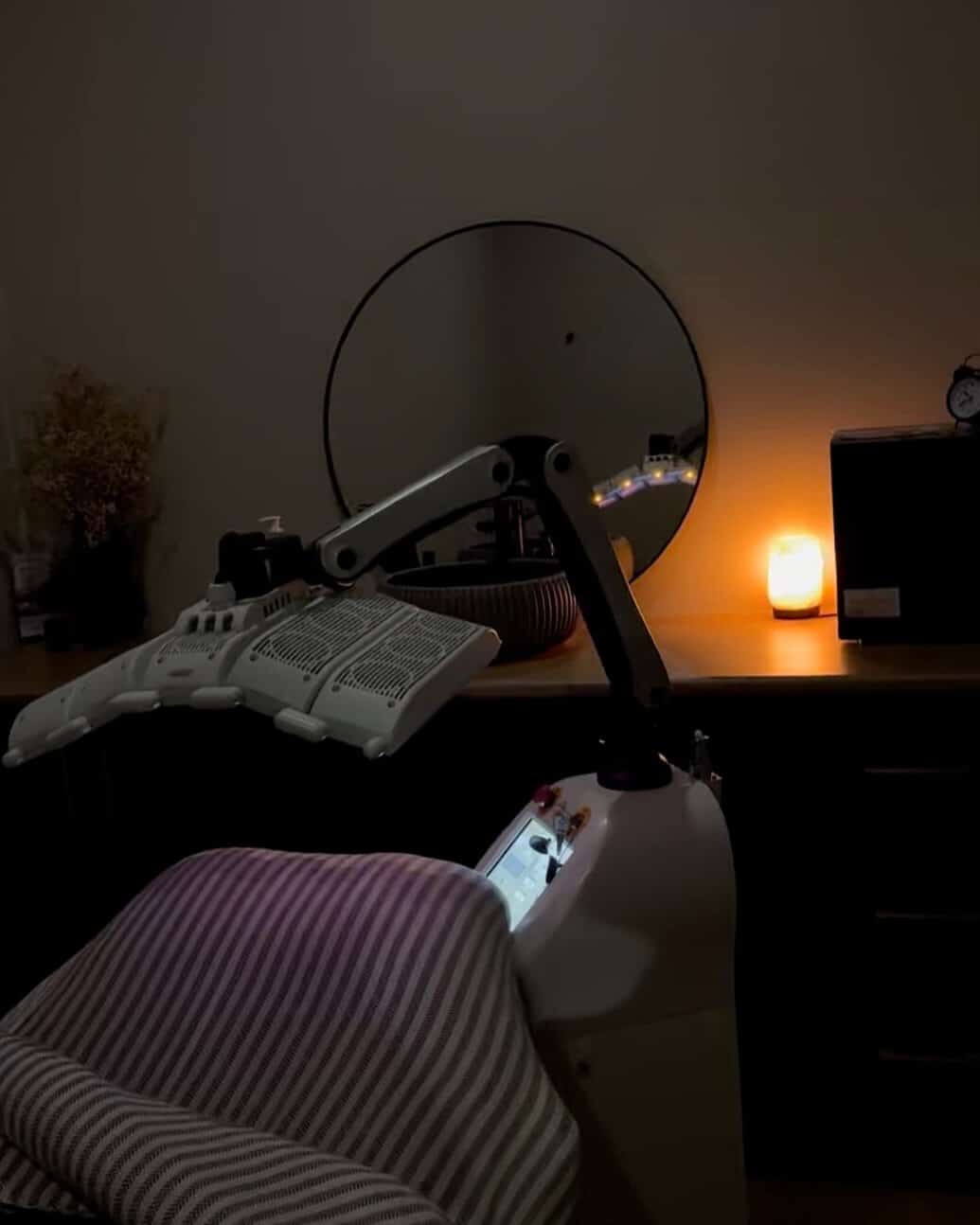
Ultimate Guide To Photobiomodulation Beds
In recent years, the exploration of alternative therapies has led to the rise of photobiomodulation (PBM) technology, often exemplified by innovative photobiomodulation beds. These beds utilize specific wavelengths of light to stimulate cellular processes, promoting healing and wellness through non-invasive means. As interest in holistic health approaches continues to grow, PBM beds are gaining traction among individuals seeking relief from a variety of ailments, including pain management, inflammation reduction, and skin rejuvenation.
This article delves into the mechanisms behind photobiomodulation, highlights the potential benefits of using PBM beds, and discusses their applications in both clinical settings and personal wellness routines. By examining the science of light therapy and sharing user experiences, we aim to provide a comprehensive overview of how these advanced beds can contribute to improved health and vitality, potentially revolutionizing the approach to personal care and recovery.
Understanding Photobiomodulation Mechanisms
Photobiomodulation works by utilizing specific light wavelengths that penetrate the skin to stimulate photoreceptors in cells, leading to increased mitochondrial activity. This enhanced activity boosts ATP production, which is vital for cellular energy. As cells become energized, they can repair and regenerate more efficiently, reducing pain and inflammation in various tissues. Additionally, PBM can promote increased circulation, further aiding the healing process and enhancing overall wellness. Many users report improvements not only in acute and chronic pain but also in skin conditions and recovery from injuries.
Applications and User Experiences
The applications of PBM beds extend beyond pain management to encompass skin rejuvenation and overall wellness. Users have found relief from conditions such as arthritis, muscle soreness, and joint stiffness after regular sessions. Many have incorporated Whole Body Photobiomodulation Beds into their personal wellness routines, enhancing their vitality and mental clarity. Clinical practitioners are also exploring its integration as a complementary therapy in their treatment protocols, showcasing promising results in diverse patient populations. As research continues to support the efficacy of photobiomodulation, its presence in both personal and clinical settings is expected to grow significantly.
In conclusion, photobiomodulation beds represent a significant advancement in the realm of alternative health therapies, standing out as a compelling option for those seeking non-invasive solutions to a variety of health challenges. With their ability to enhance cellular function and promote healing, these beds are not only transforming personal wellness regimens but are also being embraced in clinical practices to complement traditional therapies. As more individuals share their positive experiences and as research substantiates the benefits of PBM technology, it is likely that these innovative beds will play an increasingly prominent role in the future of holistic health and recovery strategies, offering a bridge between modern science and time-tested wellness traditions.