

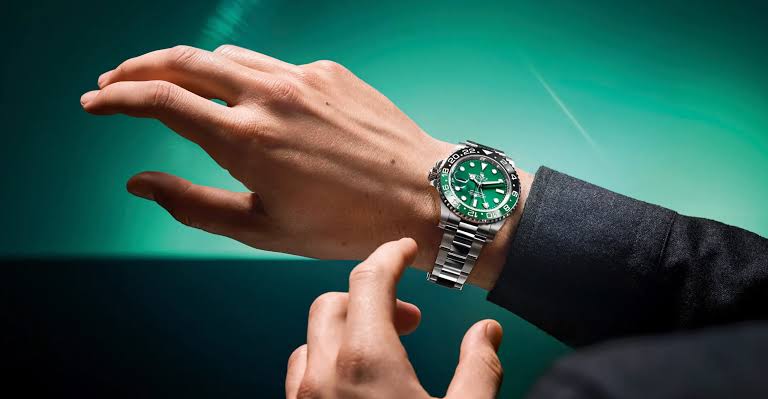
Top Tips For Buying Clone Watches: Your Ultimate Guide
In the ever-evolving world of luxury timepieces, clone watches have emerged as a notable phenomenon, captivating both enthusiasts and casual consumers alike. These timepieces, which closely mimic high-end brands without the hefty price tag, open up a realm of accessibility for those who admire the craftsmanship and prestige associated with luxury watches. As technology advances and production techniques become more sophisticated, the line between authentic and clone watches continues to blur, raising questions about value, authenticity, and consumer ethics.
In this article, we will explore the intricacies of clone watches, delving into their design, functionality, and the market landscape that supports their proliferation. We will also examine the motivations behind purchasing a clone watch, the legal implications surrounding their production, and the perspectives of both collectors and critics. Ultimately, understanding the allure of clone watches will illuminate the broader conversation about luxury, imitation, and personal expression in the world of horology.
The Allure of Clone Watches
Clone watches attract a diverse range of consumers, from those seeking style on a budget to enthusiasts who appreciate the complexity of watchmaking without the luxury price point. The craftsmanship seen in many clones has significantly improved, allowing them to replicate not only the aesthetic aspects of their high-end counterparts but also to incorporate sophisticated movements. This fusion of affordability and quality provides an enticing alternative to authentic luxury pieces. Many consumers are drawn to the concept of super clone watches, which are often touted as near-exact replicas, cementing their place in conversations about both luxury and imitation.
The proliferation of clone watches has sparked an ongoing debate around consumer ethics and the impact on the luxury watch market. Critics argue that these replicas dilute the brand integrity of authentic luxury timepieces, while supporters assert that they democratize access to haute horology. This tension underscores a broader discussion regarding intellectual property rights and the definition of luxury. As clone watches gain traction, legitimate brands face pressure to innovate and refine their offerings to retain their exclusivity, creating a dynamic market landscape filled with both challenges and opportunities.
As we reflect on the phenomenon of clone watches, it becomes clear that these timepieces exist at the intersection of admiration and imitation, appealing to a wide array of consumers with disparate motivations. While some enthusiasts embrace clone watches as a gateway to the world of horology, others grapple with the ethical implications of purchasing replicas that challenge the authenticity and value of established luxury brands. Despite the ongoing debates surrounding brand integrity and intellectual property, it is undeniable that clone watches have carved out a significant niche in the market, prompting both innovation and dialogue within the luxury sector. Ultimately, the allure of clone watches is emblematic of a changing consumer landscape, where aspirations for style and craftsmanship can manifest outside the confines of traditional luxury, allowing individuals to express their identity through timepieces that resonate with personal taste rather than solely with brand prestige.
