

Forensics Detectors Guide: Expert Tips For Choosing The Best Device
Forensics detectors play a crucial role in modern forensic investigations, aiding in the identification and analysis of evidence at crime scenes. These detectors are specially designed to detect and analyze various substances, such as drugs, explosives, and chemical residues, that are key pieces of evidence in criminal cases. Their high sensitivity and accuracy make them indispensable tools for forensic scientists and investigators.
Forensics detectors come in a variety of forms, from portable handheld devices to sophisticated laboratory equipment. They utilize advanced technologies, such as mass spectrometry and chromatography, to identify and analyze trace amounts of substances. As crime scenes become more complex and diverse, the importance of forensics detectors in solving crimes and bringing criminals to justice cannot be overstated. In this article, we will explore the different types of forensics detectors and their applications in forensic science.
Types of Forensics Detectors
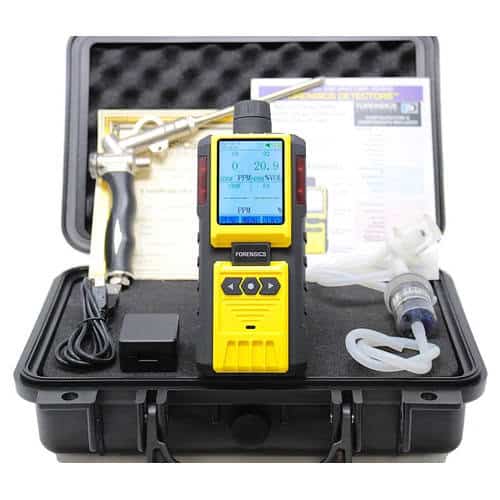
Forensics detectors come in various forms, each serving a specific purpose in the forensic investigation process. Portable handheld detectors are commonly used at crime scenes to quickly analyze samples on-site, providing immediate results for investigators. These devices are compact and user-friendly, allowing for easy handling and operation in the field. On the other hand, sophisticated laboratory equipment offers higher sensitivity and precision for detailed analysis of substances. These tools are essential for in-depth forensic examinations and research, providing valuable insights into complex cases. Whether it’s a portable device for quick screening or advanced laboratory equipment for thorough analysis, forensics detectors play a crucial role in uncovering evidence and solving crimes.
Applications in Forensic Science
The use of forensics detectors is widespread across different areas of forensic science, including drug analysis, explosive detection, and chemical identification. In drug analysis, these detectors are used to identify illegal substances in seized materials, aiding in drug trafficking investigations and prosecutions. For explosive detection, forensics detectors help in identifying explosive residues at blast sites, assisting law enforcement agencies in tracking down suspects and preventing future attacks. Additionally, in chemical identification, these detectors are crucial for analyzing trace amounts of unknown substances found at crime scenes, providing critical evidence for criminal cases. The versatility and accuracy of forensics detectors make them indispensable tools in modern forensic science practices. Through their applications, these detectors continue to advance the field of forensic investigations and contribute to the pursuit of justice.
In conclusion, forensics detectors are essential tools in modern forensic investigations, providing crucial insights into criminal cases and aiding in the pursuit of justice. From portable handheld devices to advanced laboratory equipment, these detectors come in various forms to meet the diverse needs of forensic science. Their high sensitivity and accuracy are key in detecting and analyzing substances like drugs, explosives, and chemical residues, which are vital pieces of evidence in criminal cases. By advancing technologies and applications in forensic science, forensics detectors continue to play a significant role in uncovering evidence, solving crimes, and bringing criminals to justice. Their importance in the field cannot be overstated, as they remain invaluable assets for forensic scientists and investigators alike.
